Vicat is speeding up industrial decarbonization in France
Electrification at Xeuilley (54) and e-fuel production at Montalieu (38) to strengthen energy sovereignty and low-carbon mobility
Xeuilley and Montalieu, May 26th, 2026 – The Vicat Group has reaffirmed its commitment to the energy transition in France with two major projects: the complete defossilization of its Xeuilley site and the deployment of a high-temperature electrolyzer at Montalieu. These investments, supported by ADEME and French industrial partners, position Vicat as a key player in energy sovereignty.
Electrification of the raw mill at Xeuilley: an industry first
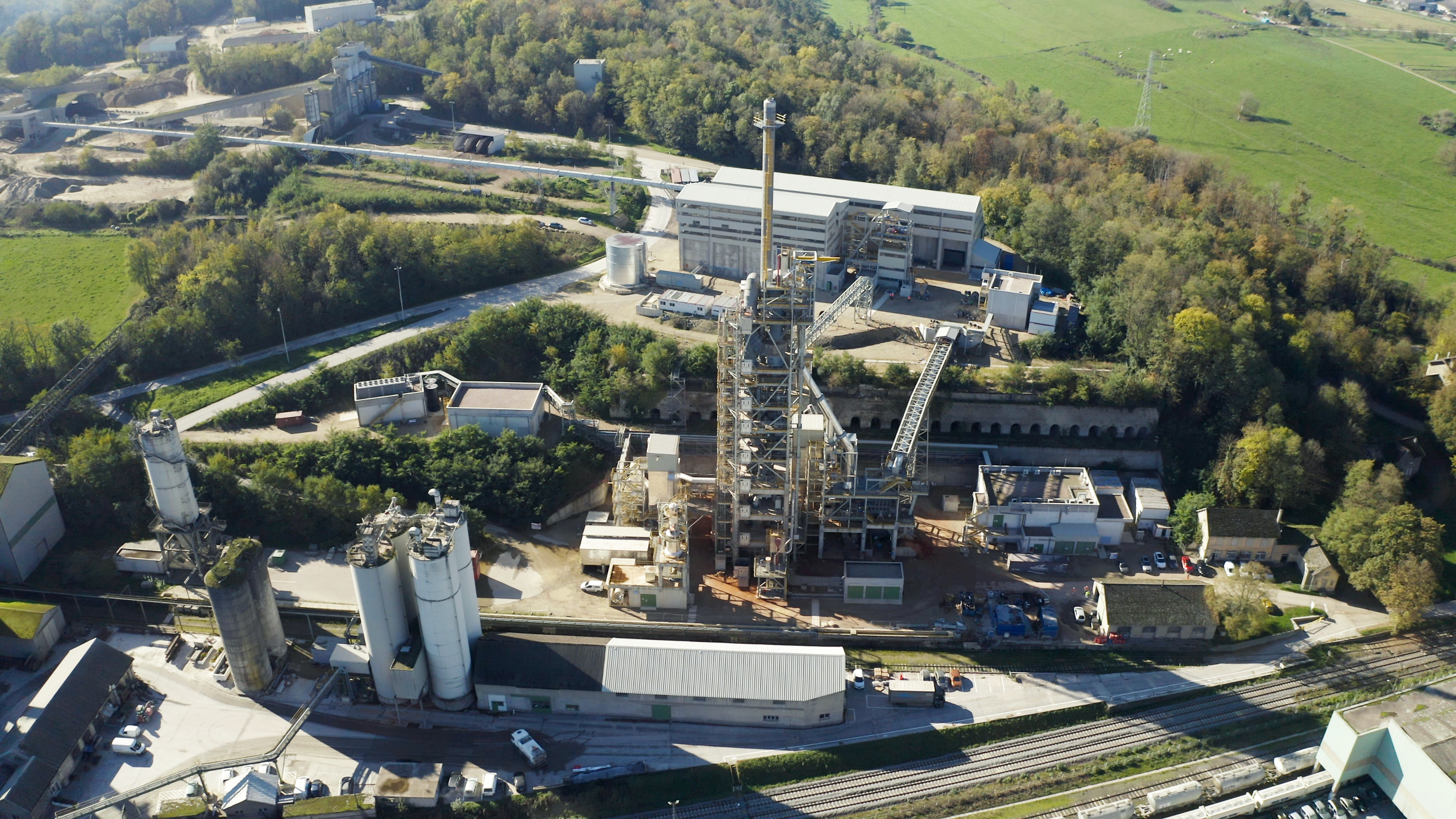
At its Xeuilley site, Vicat has reached a historic milestone by electrifying the hot gas generator of the raw meal mill—the last piece of equipment still dependent on fossil fuels. Unlike the main kiln, which is already powered entirely by alternative fuels, this mill requires a dedicated generator to dry the material, which is incompatible with existing substitutes.
Innovation supported by ADEME
In late 2025, a feasibility study, 60% co-financed by ADEME, identified the optimal solution: electrification of the furnace coupled with high-temperature heat storage (> 900°C). This system, developed in partnership with the Lille-based startup NOC, addresses the challenges of renewable energy intermittency and optimizes costs associated with electricity variability. The investment amounts to €7.5 million (excluding the RTE connection), increasing the site's electrical capacity from 13 MW to 28 MW.
Environmental impact
This project avoids the release of 12,000 tonnes of CO₂ per year (based on 2025 levels), representing an 80% reduction in emissions from the grinding-drying unit.
The Vicat Group has already replaced fossil fuels by recovering regional energy waste and improved its energy performance by 30% over 20 years.
Montalieu: a move towards e-fuel production using green hydrogen
As part of the ADEME IDH2 project, Vicat, in partnership with GENVIA and EDF, plans to deploy a high-temperature electrolyzer with a capacity of 1 MWe, producing 600 kg of hydrogen per day, at its Montalieu-Vercieu site (Isère). This demonstrator, based on GENVIA’s H-Pod technology, marks an industrial first for the French nuclear-SOEC (Solid Oxide Electrolyser Cells) sector, a strategic move to achieve national energy objectives.
A virtuous chain for low-carbon mobility
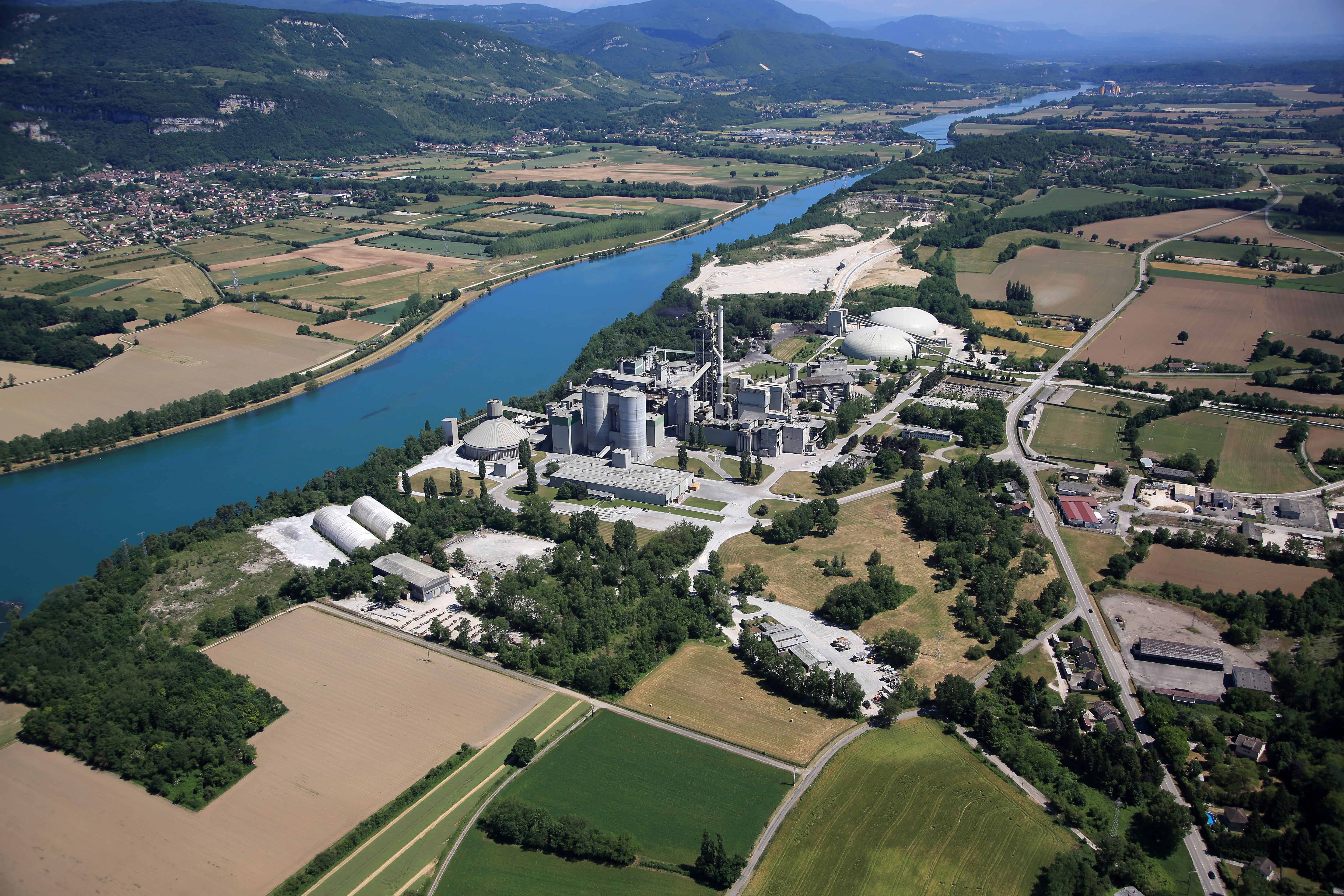
The CO₂ captured through the VAIA project (at France’s largest cement plant in Montalieu) is to be combined with hydrogen produced by the electrolyzer to manufacture e-fuels (synthetic fuels). The selected capture technology, cryogenics, relies primarily on electrical energy, while hydrogen will be produced using low-carbon electricity from the French grid.
Adapting processes for flexible consumption
Vicat has adapted its processes to offer a virtuous and flexible electricity consumption profile, aligned with the rise of renewable energies. The heat requirements for cement production are met at three temperature levels:
- 200°C (drying) and 1,000°C (thermal activation of clays): already achievable via electric solutions (resistive heating, partnership with NOC).
- > 1,500°C (clinkerization): under development using technologies such as plasma torches or H₂ flames.
This approach avoids heavy investments in energy storage while optimizing costs, making the equation economically viable.
This action plan addresses France’s need for energy sovereignty while developing national expertise.
About Vicat:
VICAT has been a leading industrial player in the field of mineral and bio-based building materials for 170 years. Vicat is a group listed on Euronext Paris (member of the SBF 120 index) and is majority-owned by the founding family. With the ambition of achieving carbon neutrality across its value chain by 2050, the company currently operates in three main business areas: Cement, Ready-Mix Concrete (RMC) and Aggregates, as well as complementary activities to these core businesses. Present in 12 developed and emerging countries, the cement group employs nearly 10,000 people and achieved consolidated revenue of €3.854 billion in 2025. As a company firmly rooted in the regions it serves, VICAT is developing a circular economy model that benefits everyone, innovating daily to reduce the environmental impact of construction.
Vicat media contact
Raphael Hinninger
raphael.hinninger@vicat.fr
07 61 74 86 52
Download the release